Suffering vs Discomfort: Why the distinction matters
I hear it all the time: “women shouldn’t have to suffer.” I’ve said it myself, repeatedly. Just a handful of weeks ago, I claimed in a heartfelt missive that “suffering in our bodies is not inevitable or just what being a woman involves." Despite my well-meaning intentions, I’m beginning to become suspicious of the phrase.
Suffering isn’t caused by pain or hardship in of itself. Lying on her table postpartum, despairing of the endless sleepless nights and back pain, my massage therapist (who's also a yoga teacher) asked me; “are you suffering, or are you uncomfortable?” Holding a new pose outside of one's comfort zone is hard (as is learning to look after a baby after the intensity of birth), but it is in resisting the reality, not the reality itself, that we suffer.
Being in a female body involves experiencing all, or several, of the following physiological realities: menstruation, pregnancy, birth, matrescence and menopause. Hardship, you could say, is built in; each experience contains the fullness of life itself - the light and the dark. Suffering, however, is a perception. What I mean when I say ‘women shouldn’t have to suffer’ is that it is possible to navigate the challenges which life inevitably provides, without resistance. This is the best remedy. Yet we live in a pain relief culture, where painkillers, antidepressants and hormone treatments buffer us from fully experiencing the descent into the underworld which are built into these passages.
Down The Well
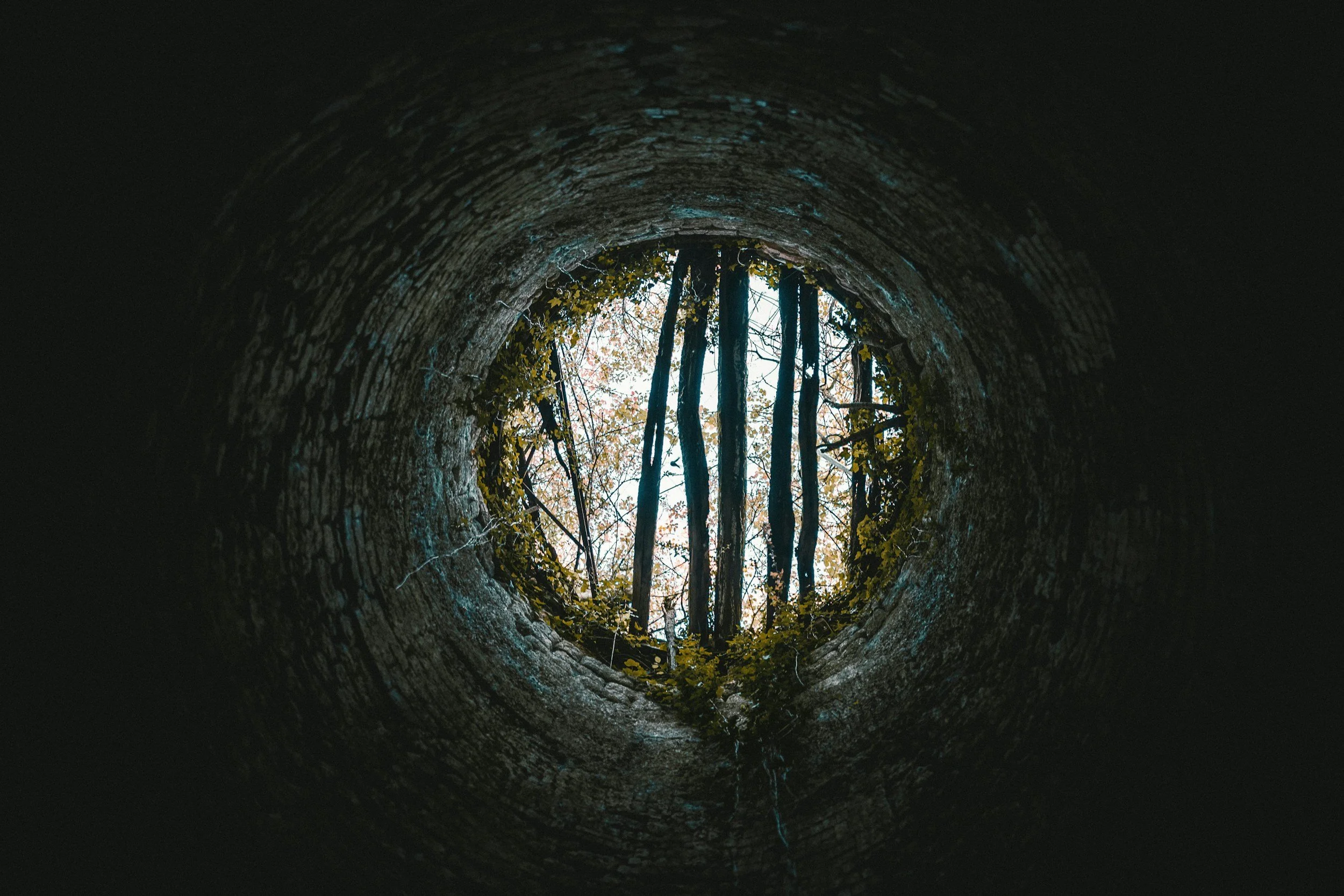
Why are we so scared to let women travel into the depths? Underneath the pathologisation of women’s pain is infantilisation: women need to be saved. We’ve seen it with PMS and period pain: “take the pill to “regulate” your hormones." We see it with birth and the pathologisation of postpartum — “there’s no award for not getting an epidural." Now we are seeing it with menopause — “HRT takes away your symptoms, there’s no reason not to be on it”. “Poor women!” we lament. So much pain and suffering to being a woman.
I’m not convinced. Women, in fact, are highly capable of navigating pain, hardship and challenge, and growing from it inordinately. Symptoms are messages, as are hormones (the word hormones comes from the Greek ‘messenger’), dampening them shuts up our inner voice.
Yes, we now have the medical means to:
Never ovulate so never experience symptoms of menstrual cycle
Never feel pain while giving birth
Dampen the emotional intensity of postpartum
Remove symptoms in menopause
But at what cost? Don’t get me wrong, I’ll pop an ibuprofen during a particularly sore period when I want to, and I won’t give myself a hard time. If my son’s birth had continued for much longer than it did, I may have taken the Entonox. I believe antidepressants can play a vital role for those experiencing overwhelming depression. But I push back against the diminishing of women’s inner authority and knowing to “don’t hate yourself, babe."
I push for a culture of welcoming the rites of passage in all their gory glory, and supporting women to go to those hard places fortified and dignified. Because when we do, we return with riches, treasure and wisdom that nourish everyone in our wake: our families, communities and the collective consciousness itself.
A fertility awareness method is a powerful tool for navigating symptoms and deciphering the messages. Join me for the next round of In Season Cycles with other like-hearted women.
Love,