

Postpartum: Why Are My Cycles Still Missing?
This is an article for mothers whose cycles have not returned after the 6 month mark (which some sources suggest as a ‘normal’ timeframe for ovulation to return). This is for those worried – where is my cycle? I’m here to reassure you.
I found it slightly disconcerting when the mums around me, with similar age babies to mine, began remarking that their cycles had returned. Until I remembered that the time scale for ovulation returning varies dramatically based on several factors. It also served as a good reminder to never compare oneself to others - you really just don’t know what is going on hormonally for another woman, you both are likely living very different realities!
Let’s dive straight into breastfeeding because that’s the primary factor in the return of ovulation. If you are not breastfeeding, and your cycles have not returned after 6 months, this is a red flag and I encourage looking into it with a healthcare provider. To over simplify hugely (because this isn’t an article about that) you may need to address nutritional deficits, energy output to input imbalance, hormone imbalance or thyroid issues.
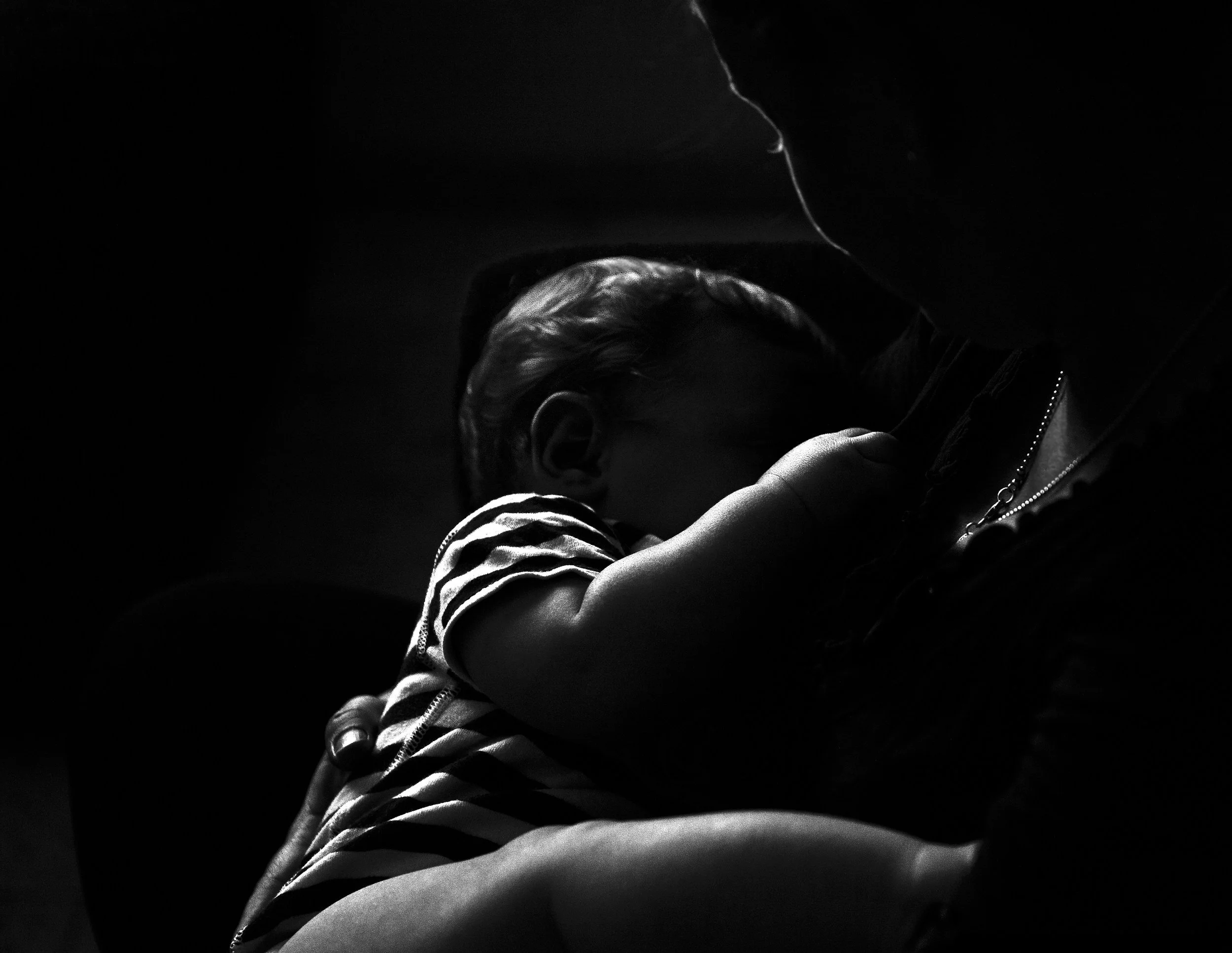
Breastfeeding and frequency of suckling
The return of ovulation is of course the reason why periods return - no ovulation, no true bleed. A ‘withdrawal bleed’ is one which does not follow an ovulation, for example a manufactured pill bleed. Every time your baby suckles at the breast, your body releases prolactin and oxcytocin. These hormones inhibit ovulatory hormones, including Luteinizing hormone (which is essential for the release of an egg).
The frequency, even more so than the duration of suckling, has the biggest impact on your hormones. For example if your baby is a quick and frequent suckler, vs a long and steady drinker who takes to the breast less frequently throughout the day and night. In these two cases, context could look pretty similar (ie fed on demand baby, sleeping similar hours, similar caregiving outlook from both mothers) but the cycles in the mother whose baby who suckles more frequently do not return as quickly.
Sleep and night waking
Sleep is another factor to consider. My baby tends to suckle in bursts every 2 ish hours throughout the night. At some point when he was between 5 and 7 months he was suckling every 45 minutes throughout the night; hence two hours sounds horrendous but is now a ‘long’ stretch for me. Regardless, I am exhausted. Sleep is required to regulate, release and even manufacture some hormones. Regular night wakings is associated with increased cortisol levels which interferes with sex hormone production.
The hormones released during breastfeeding (oxcytocin and prolactin) do aid in falling back to sleep. Therefore night waking to nurse is potentially not as detrimental as it is to wake for any other reason. However, ovulation requires a symphony of hormones to play out in graceful succession, and thus I personally do not imagine regular cycles returning before I’m getting stretches of sleep longer than 2 hours at a time.
Is something wrong with me? – Releasing the fear
As a Fertility Awareness Educator I associate having periods as a sign of wellbeing. After all, helping clients restore their cycles and regulate ovulation is one of my main jobs! But it's important to remember that postpartum, different rules apply. It is not necessarily ‘healthier’ to return to ovulation quickly after a baby. In fact, amenorrhea is a protective mechanism that our intelligent body uses to ensure we do not conceive while we are intensively caring for an extremely needy baby (note: all babies are extremely needy whether your cycles have returned or not).
Fertility and baby spacing
It can be very stressful if you imagined a certain age gap between your children, and your cycles haven’t returned at the 9-months-to-go mark. The birth spacing conversation is a fraught, polarising and personal subject which can elicit strong feelings in us. Rather than get into it here, I’ll point you to this writer who discusses it in light of our evolutionary history.
Trust that if you are eating enough, eating nutritiously, trying to sleep when you can, and reducing stressors, your cycles will return when the time is right. If your body is yearning towards another baby, listen to that as a call to make any shifts needed to make space for that conception. This is a broad and vague instruction that you, over anybody else, are best placed to make sense of for yourself.
Know that I can support you to make sense of missing cycles and aid in your journey to returning fertility postpartum. Contact me to continue this work together.